Monday, June 22, 2020

Sunday, April 5, 2020
Sunday, March 22, 2020
Stay well! "Spring Break 2020"
Hello, dear students!
I hope you all are hanging in there during these crazy times.
I know it's so much to deal with. Deep breaths...
Please do what you can to stay home, stay healthy, and take care of your families.
Some days are better than others, for sure.
Make sure to read the 'positive' stories - there are good ones!
I'll share some resources when I can. I'm home with my family and trying to process everything also.
In the meantime, please be well and take care of yourselves.
I miss you!
Best,
Ms. Ferro
Wednesday, March 11, 2020
Recap previous lessons & notes; do Unit 3 Task 4: Cell Cycle CER
Happy Wednesday!
On Monday you completed 'Cancer & Cell Cycle' videos & worksheet
1.First, let's finish looking over the printed 'Genetics/Cancer' notes I gave you on 3/5
2.Get a Chromebook and go to Google Classroom
3.Find Unit 3 Task 4 'Cell Cycle C/E/R' and complete, submitting when finished
This is an individual assessment, not group work
On Monday you completed 'Cancer & Cell Cycle' videos & worksheet
1.First, let's finish looking over the printed 'Genetics/Cancer' notes I gave you on 3/5
2.Get a Chromebook and go to Google Classroom
3.Find Unit 3 Task 4 'Cell Cycle C/E/R' and complete, submitting when finished
This is an individual assessment, not group work
Monday, March 9, 2020
Unit 3 Task 3: Understanding Cancer (Google Classroom)
Happy Monday! Hope you had a good weekend 🌞
Sub - Ms. Cooper
Please get a Chromebook and go to Google Classroom
Open 'Unit 3 Task 3: Understanding Cancer'
Read directions carefully, follow links in document to complete
You may work with your table group but each of you are responsible for submitting your own work in your own words
There are hard copies available if you prefer
Due by the end of the period today
If you finish early please use class time to complete work
Sub - Ms. Cooper
Please get a Chromebook and go to Google Classroom
Open 'Unit 3 Task 3: Understanding Cancer'
Read directions carefully, follow links in document to complete
You may work with your table group but each of you are responsible for submitting your own work in your own words
There are hard copies available if you prefer
Due by the end of the period today
If you finish early please use class time to complete work
Thursday, March 5, 2020
Health news updates; finish mitosis investigation & microscope lab; genetics & cancer notes
Please share Roses & Thorns with your table partners:
How was the SAT? How's your week going?
While I do: HOMEWORK CHECK! (Cell Cycle & Mitosis notes from Tuesday, 2/25 blog post); no late credit for this - you've had a week and a half and class time to do it. 😁
Coronavirus updates:
First, a short, funny video from The Daily Show here
live blog HERE (10 mins max)
What is the Coronavirus and what should I do if I have symptoms?
Hand sanitizer vs. soap and what the CDC says
What's PPS saying about it?
Today's Agenda:
-Finish Mitosis Investigation & Microscope Lab
-Background information on genetics & cancer (notes handout HERE)
Next...4) What happens if mitosis cell signals change over time?
Explore connection between cell signaling and cancer.
Background information: (notes handout)
-In humans, each cell normally contains 23 pairs of
chromosomes, for a total of 46.
-22 of these pairs, called autosomes, look the same in both males and females. The 23rd pair, the sex chromosomes, differ between males and females. Females have two copies of the X chromosome, while males have one X and one Y chromosome.

How was the SAT? How's your week going?
While I do: HOMEWORK CHECK! (Cell Cycle & Mitosis notes from Tuesday, 2/25 blog post); no late credit for this - you've had a week and a half and class time to do it. 😁
Coronavirus updates:
First, a short, funny video from The Daily Show here
live blog HERE (10 mins max)
What is the Coronavirus and what should I do if I have symptoms?
Hand sanitizer vs. soap and what the CDC says
What's PPS saying about it?
Today's Agenda:
-Finish Mitosis Investigation & Microscope Lab
-Background information on genetics & cancer (notes handout HERE)
1) Complete Mitosis Investigation and Microscope Lab using slides HERE (set up microscopes to finish and/or for absent students to view cells)
2) Share out mitosis data: write percentages for each stage of mitosis on board per class period; compare
3) Learn important background information on genetics
2) Share out mitosis data: write percentages for each stage of mitosis on board per class period; compare
3) Learn important background information on genetics
Next...4) What happens if mitosis cell signals change over time?
Explore connection between cell signaling and cancer.
Background information: (notes handout)
-In humans, each cell normally contains 23 pairs of
chromosomes, for a total of 46.
-22 of these pairs, called autosomes, look the same in both males and females. The 23rd pair, the sex chromosomes, differ between males and females. Females have two copies of the X chromosome, while males have one X and one Y chromosome.
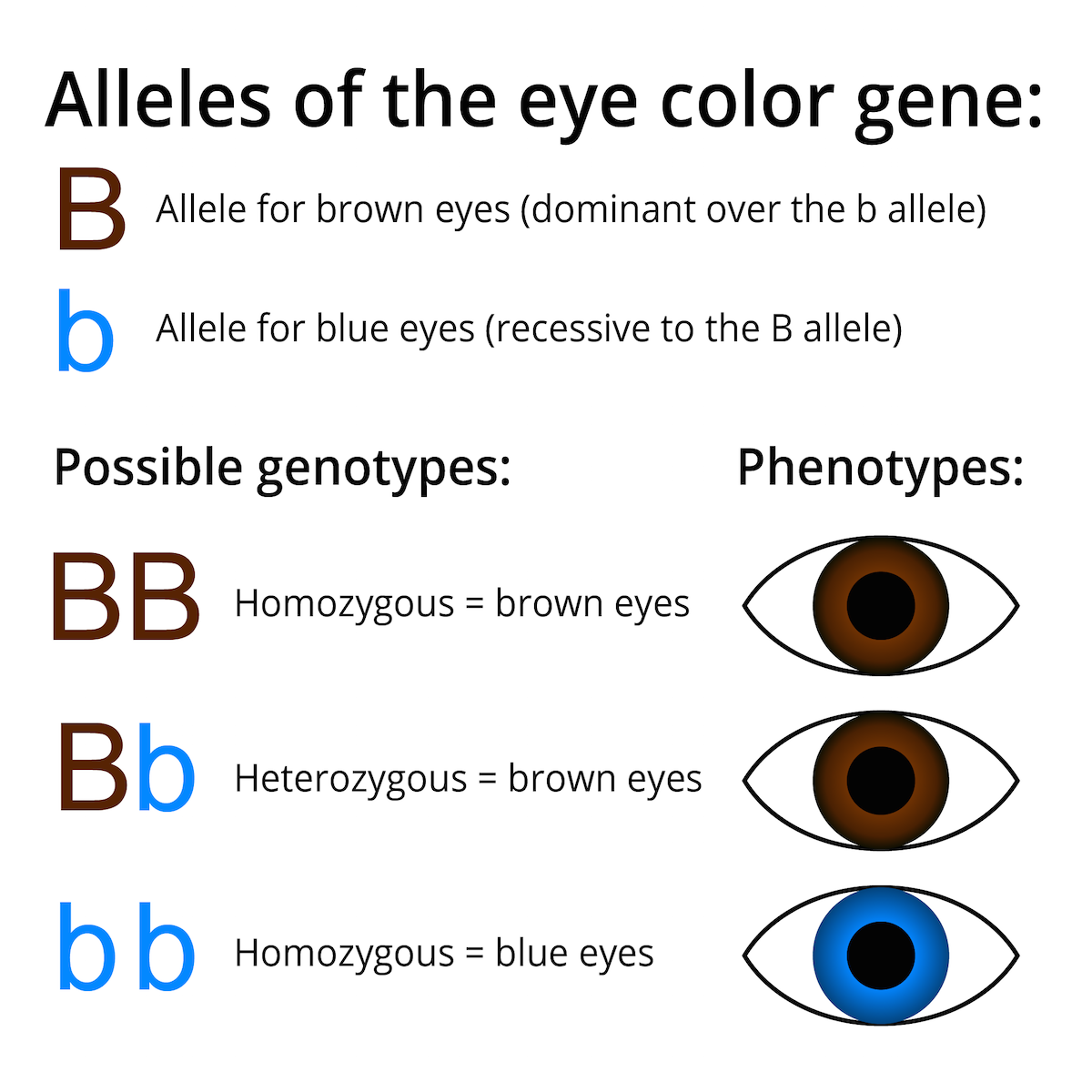
An organism's genotype is the set of genes that it carries.
An organism's phenotype is all of its observable characteristics — which are influenced both by its genotype and by the environment. ... For example, differences in the genotypes can produce different phenotypes.
Punnett square - diagram used to predict the probability of an offspring of a particular cross of having a genotype
Monday, March 2, 2020
Coronavirus info; Mitosis Investigation and Microscope Lab
This Week:
Mon - B day
Tue - A day
Wed - B day Early Dismissal; SAT's for juniors in gym
Thurs - B day
Fri - A day
Today's Agenda:
Mitosis Investigation & Microscope Lab
First: watch this awesome video 'The Life of a Cell'
Mon - B day
Tue - A day
Wed - B day Early Dismissal; SAT's for juniors in gym
Thurs - B day
Fri - A day
Unit 3 Task 2: Mitosis & Growth
EQ: How do living things grow and repair themselves?
Today's Agenda:
Mitosis Investigation & Microscope Lab
First: watch this awesome video 'The Life of a Cell'
3) Complete Mitosis Investigation and Microscope Lab using slides 5-12 HERE
Tuesday, February 25, 2020
Finish 'Cell Types' and 'Mitosis' POGILS; notes & videos homework!!
Thank you for sitting with your new table groups 🌞
Tutorial Schedule today
Many of you have still not submitted your 'Elephant Engineering Design Graphic Organizer' OR your 'Exercise Lab C/E/R', and that was reflected in your progress report. PLEASE come to tutorial today to finish any remaining missing work from the Biomolecules/Elephant Project Unit...
we're moving on to new material & you don't want to get behind!
As we continue in our new unit (new groups, new work model, new content) please continue to stay focused and work as efficiently as possible ( & no electronics during POGILS).
As with anything new, approach with an open mind and be willing to try and to make mistakes.
💜 Don't worry - it's all good. Trust me!
Today's Tasks:
1) Finish 'Cell Types' POGIL and turn in
2) Complete 'Mitosis' POGIL and turn in
3) Get Chromebook, do 'notes & videos' homework below
(due Monday!; everything in blue)
'Cell Types' & 'Mitosis' Notes & Videos:
Cell Types
cell - basic structural unit of all living things that consists of cytoplasm enclosed in a membrane
Cells are classified as either 'prokaryotic' or 'eukaryotic
prokaryote - no nucleus or membrane-bound organelles; examples: bacteria, blue-green algae, mycoplasma
eukaryote- any cell or organism with a clearly defined nucleus in which chromosomes (bodies containing the hereditary material) are located; also contain organelles that carry out specific functions; examples: plants, animals, protists, fungi
Watch Amoeba Sisters: Prokaryotic vs. Eukaryotic Cells video (5 mins)
Mitosis

mitosis - a type of cell division in which one cell (the mother) divides to produce two new cells (the daughters) that are genetically identical to itself. In the cell cycle, mitosis is the part of the division process in which the DNA of the cell's nucleus is split into two equal sets of chromosomes.
Actively dividing eukaryotic cells pass through a series of stages known collectively as the cell cycle: two gap phases (G1 and G2); an S (synthesis) phase, in which the genetic material is duplicated; and an M phase, in which mitosis partitions the genetic material and the cell divides.
 (DRAW)
 (DRAW)
Watch Amoeba Sisters: Mitosis video (8 mins)
Monday: Mitosis Investigation & Microscope Lab!
Tutorial Schedule today
Many of you have still not submitted your 'Elephant Engineering Design Graphic Organizer' OR your 'Exercise Lab C/E/R', and that was reflected in your progress report. PLEASE come to tutorial today to finish any remaining missing work from the Biomolecules/Elephant Project Unit...
we're moving on to new material & you don't want to get behind!
As we continue in our new unit (new groups, new work model, new content) please continue to stay focused and work as efficiently as possible ( & no electronics during POGILS).
As with anything new, approach with an open mind and be willing to try and to make mistakes.
💜 Don't worry - it's all good. Trust me!
Today's Tasks:
1) Finish 'Cell Types' POGIL and turn in
2) Complete 'Mitosis' POGIL and turn in
3) Get Chromebook, do 'notes & videos' homework below
(due Monday!; everything in blue)
'Cell Types' & 'Mitosis' Notes & Videos:
Cell Types
cell - basic structural unit of all living things that consists of cytoplasm enclosed in a membrane
Cells are classified as either 'prokaryotic' or 'eukaryotic
prokaryote - no nucleus or membrane-bound organelles; examples: bacteria, blue-green algae, mycoplasma
eukaryote- any cell or organism with a clearly defined nucleus in which chromosomes (bodies containing the hereditary material) are located; also contain organelles that carry out specific functions; examples: plants, animals, protists, fungi
Watch Amoeba Sisters: Prokaryotic vs. Eukaryotic Cells video (5 mins)
Mitosis

mitosis - a type of cell division in which one cell (the mother) divides to produce two new cells (the daughters) that are genetically identical to itself. In the cell cycle, mitosis is the part of the division process in which the DNA of the cell's nucleus is split into two equal sets of chromosomes.
Actively dividing eukaryotic cells pass through a series of stages known collectively as the cell cycle: two gap phases (G1 and G2); an S (synthesis) phase, in which the genetic material is duplicated; and an M phase, in which mitosis partitions the genetic material and the cell divides.
(DRAW)
interphase - G1, S, and G2
chromosome - a threadlike structure of nucleic acids and protein found in the nucleus of most living cells, carrying genetic information in the form of genes.
(DRAW)Watch Amoeba Sisters: Mitosis video (8 mins)
Monday: Mitosis Investigation & Microscope Lab!
New seats; Begin Unit 3: Cell Division & Genetics
New Seats! Intentional groups are set for this unit due to the nature of the work we'll be doing.
At your new table assignment, take turns sharing the following with your group:
1. If you could travel anywhere, where would it be and why?
2. If you could meet anyone, alive or deceased, who would it be and why?
3. What is something that you want to accomplish in high school?
Please get out a notebook & writing utensil. You'll also need a way to stay organized with materials this unit! Need a folder or binder? I have lots to share.
New format for work for this unit: POGIL
At your new table assignment, take turns sharing the following with your group:
1. If you could travel anywhere, where would it be and why?
2. If you could meet anyone, alive or deceased, who would it be and why?
3. What is something that you want to accomplish in high school?
Please get out a notebook & writing utensil. You'll also need a way to stay organized with materials this unit! Need a folder or binder? I have lots to share.
New format for work for this unit: POGIL
- POGIL protocol: assign each student group a -
- Timekeeper (manages time)
- Reader (reads the questions out loud to keep team on same page)
- Document Controller (makes sure the POGIL for each student has the same responses as the group has come to a consensus about the response based on the available evidence in model.
- Spokesperson (only person who can share out or ask questions of teacher. This helps students utilize each other as resources prior to asking for teacher input (models contain all info necessary to answer questions).
- What is POGIL? Stands for 'Process Oriented Guided Inquiry Learning'; it is a student-centered, group-learning instructional strategy and philosophy developed through research on how students learn best.
- Important: no technology during POGIL--- these are in class assignments and not to be assigned for homework or as a sub plan.
Begin Unit 3: Cell Division & Genetics (take notes)
Unit EQ's:
-How do organisms grow and develop?
-How are signals for growth and development transmitted from parents to offspring?
-What happens if those signals change over time?
-How do organisms grow and develop?
-How are signals for growth and development transmitted from parents to offspring?
-What happens if those signals change over time?
Unit 3 Task 1: Cell Types
EQ's:
-Do all cells have the same structure?
-What functions do organelles perform in cells?
1) Explore different cell types using this POGIL
Work with your group to complete, turn in when finished
EQ's:
-Do all cells have the same structure?
-What functions do organelles perform in cells?
1) Explore different cell types using this POGIL
Work with your group to complete, turn in when finished
Unit 3 Task 2: Mitosis & Growth
EQ: How do living things grow and repair themselves?
1) Introduce challege with slides 1-3 HERE
2) Complete Mitosis POGIL with group, turn in when done
3) Complete Mitosis Investigation and Microscope Lab using slides 5-12 HERE
Wednesday, February 19, 2020
Refine research & turn in 'mechanism' of cause ; free time
Happy Friday!
First, an informative video: Why women have periods
Now, grab and Chromebook and do the following:
1) Work your group to refine and edit your research.
Read through your feedback, pull up your slides, and then write down a few sentences that answers the following:
The mechanism of the cause on a cellular/molecular level is… (include background information to explain the mechanism)
Please include all members of your group on your paper and turn in when finished. I'll clarify with you if needed.
When you turn this in, then you're done.
2) Celebrate your efforts with your elephant research group
- job well done!
Free/work time? Outside? Sharing food? Film?
First, an informative video: Why women have periods
Now, grab and Chromebook and do the following:
1) Work your group to refine and edit your research.
Read through your feedback, pull up your slides, and then write down a few sentences that answers the following:
The mechanism of the cause on a cellular/molecular level is… (include background information to explain the mechanism)
Please include all members of your group on your paper and turn in when finished. I'll clarify with you if needed.
When you turn this in, then you're done.
2) Celebrate your efforts with your elephant research group
- job well done!
Free/work time? Outside? Sharing food? Film?
Elephant Research Presentations
Presentations today on elephant research!
"What is the cause of reduced reproduction rates in captive elephants?"
IMPORTANT: You must address, The mechanism of the cause on a cellular/molecular level is… (include background information to explain the mechanism)
15 minutes to prepare with your group
Sign up for order of presentation on the board
Respect your classmates and their efforts:
-no electronics, please
-give your full attention and presence
-provide authentic feedback for each group
Feedback forms
After each presentation, talk with your group members to evaluate the presenting group and provide the following feedback:
1) Praise - What did they do well in their presented research?
2) Polish - What could be improved?
3) Question - What are you still wondering?
Please have one person in your group share your slides w/me
FRIDAY:
-Time to refine/edit your group's research & turn in
-Free time/film/outside time/share food/? (your choice)
"What is the cause of reduced reproduction rates in captive elephants?"
IMPORTANT: You must address, The mechanism of the cause on a cellular/molecular level is… (include background information to explain the mechanism)
15 minutes to prepare with your group
Sign up for order of presentation on the board
Respect your classmates and their efforts:
-no electronics, please
-give your full attention and presence
-provide authentic feedback for each group
Feedback forms
After each presentation, talk with your group members to evaluate the presenting group and provide the following feedback:
1) Praise - What did they do well in their presented research?
2) Polish - What could be improved?
3) Question - What are you still wondering?
Please have one person in your group share your slides w/me
FRIDAY:
-Time to refine/edit your group's research & turn in
-Free time/film/outside time/share food/? (your choice)
Friday, February 14, 2020
Continue Elephant Project Pitch Presentation Work with Teams
💕💕💕💕💕Happy Valentine's Day!💕💕💕💕💕
Tutorial schedule today
Today you will have time to finish the 'Elephant Engineering Design' worksheet with your group.
It's organized to help you:
1) identify the problem(s)
2) brainstorm solutions
3) identify constraints (limits) and criteria (goals)
4) design a prototype
5) reflect on your process
Clarifying notes on graphic organizer:
-the sub-problem boxes should include specific ideas about each claim, such as: diet could be...wrong nutrients, not enough nutrients, altering hormones, etc.
-In the section about 'what evidence did you use...', you need to specifically answer 'What is the mechanism of the challenge(s) on a cellular/molecular level?'
-In Part 4 'Prototype,' you present your final proposed solution
-4b) is asking: How would the zoo measure whether the change is having the intended impact? (which labs could they do?)
-Don't forget 5d) at the very bottom
I would strongly encourage you to read through the information below with your group as you're working on your graphic organizer. These are all relevant links used in class around our elephant project. It may help you to pinpoint your claim and locate specific evidence.
Introduction to elephant project with group roles
San Diego Zoo Institute for Conservation Research website
'Elephant 101' video
Biomolecules slides (what types of biomolecules are in which types of food?)
Rhino Diet article 1 & article 2 (effects of diet on reproduction)
AZA (Association of Zoos & Aquariums) has standards of care and management for animals in captivity. HERE are the AZA standards for elephants - read through it and look specifically for information by using 'Control F' with keyword
Smithsonian article: 'Great Expectations: Boosting captive animal reproductive rates'
Enzyme slides
Elephant reproduction slides
'What is a Hormone' article
Exercise Lab slides
Polar Bear Energetics slides
Next, use the information gathered in this investigation and in the 'Elephant Engineering Design' graphic organizer to help you build your final project - the Pitch Presentation.
Go to Google Classroom and work on 'Unit 2 Task 5: Pitch Presentation slides.
TODAY is the last class day for work time on this.
Presentations will be next Wednesday 2/19.
Each group member is responsible for turning in their own graphic organizer and contributing to the presentation for a grade.
Tutorial schedule today
Today you will have time to finish the 'Elephant Engineering Design' worksheet with your group.
It's organized to help you:
1) identify the problem(s)
2) brainstorm solutions
3) identify constraints (limits) and criteria (goals)
4) design a prototype
5) reflect on your process
Clarifying notes on graphic organizer:
-the sub-problem boxes should include specific ideas about each claim, such as: diet could be...wrong nutrients, not enough nutrients, altering hormones, etc.
-In the section about 'what evidence did you use...', you need to specifically answer 'What is the mechanism of the challenge(s) on a cellular/molecular level?'
-In Part 4 'Prototype,' you present your final proposed solution
-4b) is asking: How would the zoo measure whether the change is having the intended impact? (which labs could they do?)
-Don't forget 5d) at the very bottom
I would strongly encourage you to read through the information below with your group as you're working on your graphic organizer. These are all relevant links used in class around our elephant project. It may help you to pinpoint your claim and locate specific evidence.
Introduction to elephant project with group roles
San Diego Zoo Institute for Conservation Research website
'Elephant 101' video
Biomolecules slides (what types of biomolecules are in which types of food?)
Rhino Diet article 1 & article 2 (effects of diet on reproduction)
AZA (Association of Zoos & Aquariums) has standards of care and management for animals in captivity. HERE are the AZA standards for elephants - read through it and look specifically for information by using 'Control F' with keyword
Smithsonian article: 'Great Expectations: Boosting captive animal reproductive rates'
Enzyme slides
Elephant reproduction slides
'What is a Hormone' article
Exercise Lab slides
Polar Bear Energetics slides
Next, use the information gathered in this investigation and in the 'Elephant Engineering Design' graphic organizer to help you build your final project - the Pitch Presentation.
Go to Google Classroom and work on 'Unit 2 Task 5: Pitch Presentation slides.
TODAY is the last class day for work time on this.
Presentations will be next Wednesday 2/19.
Each group member is responsible for turning in their own graphic organizer and contributing to the presentation for a grade.
Wednesday, February 12, 2020
Continue group work on 'Elephant Engineering Design'; Begin Pitch Presentation work with group
Afternoon sub: Ms. Aboussie (Ms. Ferro's son is sick)
Today you will have time to finish the 'Elephant Engineering Design' worksheet with your group.
It's organized to help you:
1) identify the problem(s)
2) brainstorm solutions
3) identify constraints (limits) and criteria (goals)
4) design a prototype
5) reflect on your process
Clarifying notes on graphic organizer:
-the sub-problem boxes should include specific ideas about each claim, such as: diet could be...wrong nutrients, not enough nutrients, altering hormones, etc.
-In the section about 'what evidence did you use...', you need to specifically answer 'What is the mechanism of the challenge(s) on a cellular/molecular level?'
-In Part 4 'Prototype,' you present your final proposed solution
-4b) is asking: How would the zoo measure whether the change is having the intended impact? (which labs could they do?)
-Don't forget 5d) at the very bottom
I would strongly encourage you to read through the information below with your group as you're working on your graphic organizer. These are all relevant links used in class around our elephant project. It may help you to pinpoint your claim and locate specific evidence.
Introduction to elephant project with group roles
San Diego Zoo Institute for Conservation Research website
'Elephant 101' video
Biomolecules slides (what types of biomolecules are in which types of food?)
Rhino Diet article 1 & article 2 (effects of diet on reproduction)
AZA (Association of Zoos & Aquariums) has standards of care and management for animals in captivity. HERE are the AZA standards for elephants - read through it and look specifically for information by using 'Control F' with keyword
Smithsonian article: 'Great Expectations: Boosting captive animal reproductive rates'
Enzyme slides
Elephant reproduction slides
Exercise Lab slides
Polar Bear Energetics slides
Next, use the information gathered in this investigation and in the 'Elephant Engineering Design' graphic organizer to help you build your final project - the Pitch Presentation.
Go to Google Classroom and work on 'Unit 2 Task 5: Pitch Presentation slides.
You have today and this Friday for work time on this.
Presentations will be next Wednesday 2/19.
Each group member is responsible for turning in their own graphic organizer and contributing to the presentation for a grade.
Today you will have time to finish the 'Elephant Engineering Design' worksheet with your group.
It's organized to help you:
1) identify the problem(s)
2) brainstorm solutions
3) identify constraints (limits) and criteria (goals)
4) design a prototype
5) reflect on your process
Clarifying notes on graphic organizer:
-the sub-problem boxes should include specific ideas about each claim, such as: diet could be...wrong nutrients, not enough nutrients, altering hormones, etc.
-In the section about 'what evidence did you use...', you need to specifically answer 'What is the mechanism of the challenge(s) on a cellular/molecular level?'
-In Part 4 'Prototype,' you present your final proposed solution
-4b) is asking: How would the zoo measure whether the change is having the intended impact? (which labs could they do?)
-Don't forget 5d) at the very bottom
I would strongly encourage you to read through the information below with your group as you're working on your graphic organizer. These are all relevant links used in class around our elephant project. It may help you to pinpoint your claim and locate specific evidence.
Introduction to elephant project with group roles
San Diego Zoo Institute for Conservation Research website
'Elephant 101' video
Biomolecules slides (what types of biomolecules are in which types of food?)
Rhino Diet article 1 & article 2 (effects of diet on reproduction)
AZA (Association of Zoos & Aquariums) has standards of care and management for animals in captivity. HERE are the AZA standards for elephants - read through it and look specifically for information by using 'Control F' with keyword
Smithsonian article: 'Great Expectations: Boosting captive animal reproductive rates'
Enzyme slides
Elephant reproduction slides
Exercise Lab slides
Polar Bear Energetics slides
Next, use the information gathered in this investigation and in the 'Elephant Engineering Design' graphic organizer to help you build your final project - the Pitch Presentation.
Go to Google Classroom and work on 'Unit 2 Task 5: Pitch Presentation slides.
You have today and this Friday for work time on this.
Presentations will be next Wednesday 2/19.
Each group member is responsible for turning in their own graphic organizer and contributing to the presentation for a grade.
Monday, February 10, 2020
All Elephant Info in one place!
Introduction to elephant project with group roles
San Diego Zoo Institute for Conservation Research website
'Elephant 101' video
Biomolecules slides
Rhino Diet article 1 & article 2
AZA (Association of Zoos & Aquariums) has standards of care and management for animals in captivity. HERE are the AZA standards for elephants - read through it and look specifically for information by using 'Control F' with keyword
Smithsonian article: 'Great Expectations: Boosting captive animal reproductive rates'
Enzyme slides
Elephant reproduction slides
'What is a Hormone?' article
Exercise Lab slides
Polar Bear Energetics slides
San Diego Zoo Institute for Conservation Research website
'Elephant 101' video
Biomolecules slides
Rhino Diet article 1 & article 2
AZA (Association of Zoos & Aquariums) has standards of care and management for animals in captivity. HERE are the AZA standards for elephants - read through it and look specifically for information by using 'Control F' with keyword
Smithsonian article: 'Great Expectations: Boosting captive animal reproductive rates'
Enzyme slides
Elephant reproduction slides
'What is a Hormone?' article
Exercise Lab slides
Polar Bear Energetics slides
Begin Elephant Engineering Design
Happy Monday!
We've explored several different aspects that may affect elephant reproduction - it's time to tie it all together...
(check on project progress HERE)
Please keep phones away and get out a notebook and pencil for note taking
Last class we asked:
How do we measure exercise in animals?
We looked at polar bear accelerometer data and discussed how scientists are monitoring their behaviors to determine how they are being affected by climate change.
Polar Bears:
(wild) Live Polar Bear Cam - Wapusk National Park, Manitoba, Canada (observe for ~2 mins)
(captive) Polar Bear Cam - San Diego Zoo (~2 min obs.)
Elephants:
(wild) Footage of wild elephants - Botswana, Africa (start at 4:45 - 12:45)
(captive) Live Elephant Cam - San Diego Zoo Safari Park
With your lab group, compare your observation notes. Then, make a prediction about how much energy is required for different tasks in captive elephants versus wild elephants' lives. (for example, _ probably requires more energy than _ )
We've explored several different aspects that may affect elephant reproduction - it's time to tie it all together...
(check on project progress HERE)
Please keep phones away and get out a notebook and pencil for note taking
Last class we asked:
How do we measure exercise in animals?
We looked at polar bear accelerometer data and discussed how scientists are monitoring their behaviors to determine how they are being affected by climate change.
First, let's practice making scientific observations! Think about what behaviors you see in the following clips and how those behaviors require different energy demands...
I want you to observe for 5 minutes, taking notes on how the animals are interacting with:
-Environment
-Humans
-Other elephantsPolar Bears:
(wild) Live Polar Bear Cam - Wapusk National Park, Manitoba, Canada (observe for ~2 mins)
(captive) Polar Bear Cam - San Diego Zoo (~2 min obs.)
Elephants:
(wild) Footage of wild elephants - Botswana, Africa (start at 4:45 - 12:45)
(captive) Live Elephant Cam - San Diego Zoo Safari Park
With your lab group, compare your observation notes. Then, make a prediction about how much energy is required for different tasks in captive elephants versus wild elephants' lives. (for example, _ probably requires more energy than _ )
How does this connect to elephant reproduction?
- What role does stress play in cell growth and repair? ✓
- How do cells signal to one another? ✓
- How might zoo elephants and wild elephants experience exercise and cellular impacts of exercise differently?
Now you will complete the 'Elephant Engineering Design' worksheet with your group. It's organized to help you:
1) identify the problem(s)
2) brainstorm solutions
3) identify criteria (goals) and constraints (limits)
4) design a prototype
5) reflect on your process
You have the rest of this class period and half of the next class period to complete it.
1) identify the problem(s)
2) brainstorm solutions
3) identify criteria (goals) and constraints (limits)
4) design a prototype
5) reflect on your process
You have the rest of this class period and half of the next class period to complete it.
Subscribe to:
Posts (Atom)
-
This Week: Mon - B day Tue - A day Wed - B day Early Dismissal; SAT's for juniors in gym Thurs - B day Fri - A day Unit 3 Task...
-
Happy Monday! Hope you had a good weekend 🌞 Sub - Ms. Cooper Please get a Chromebook and go to Google Classroom Open 'Unit 3 Task ...
-
 Thank you for sitting with your new table groups 🌞 Tutorial Schedule today Many of you have still not submitted your 'Elephant Eng...